Hicks Family Martial Arts Safeguarding Policy
Last Updated – 16/09/2025
This document must be reviewed no less than once per year.
Purpose
The purpose of this document is to outline how Hicks Family Martial Arts protects children, young persons, and adults at risk from harm during their training within the club. This includes safeguarding against abuse of all kinds—sexual, physical, emotional—as well as neglect, bullying, and any other forms of violence or exploitation.
This policy details Hicks Family Martial Arts responsibilities and reporting procedures, ensuring instructors, assistants, staff, volunteers, parents, students, and members of the public feel confident in raising concerns and that appropriate actions are taken.
For clarity, safeguarding is defined as “protecting a person’s health, wellbeing, and human rights, and enabling them to live free from harm, abuse, and neglect.” In martial arts, this typically applies to children, young persons, and adults at risk.
Scope of This Policy
This policy is mandatory for all instructors, assistants, staff, volunteers, parents, and students involved with Hicks Family Martial Arts. It also extends to all visitors and parents attending sessions or events.
Policy Statement
Hicks Family Martial Arts believes that everyone we come into contact with, regardless of age, gender identity, disability, sexual orientation, or ethnicity, has the right to be protected from harm, abuse, neglect, and exploitation. The club maintains a zero-tolerance stance towards abuse and exploitation by staff or associated personnel. We are committed to the prevention, prompt reporting, and effective response to any safeguarding concerns.
Prevention
To provide a safe environment and positive experience for all participants, Hicks Family Martial Arts adheres to best practices aligned with national safeguarding policies. Our prevention measures include:
- Ensuring instructors comply with relevant national frameworks and safeguarding guidelines.
- Ensuring instructors hold the minimum grade and qualifications to deliver classes safely and effectively, including specialist qualifications where necessary.
- Requiring instructors to hold valid Public Liability insurance, current first aid certification, and an up-to-date enhanced DBS check (within the last 3 years) as well as relevant safeguarding training.
- Treating all children, young persons, and vulnerable adults with respect, dignity, and courtesy.
- Promoting equality and ensuring no discrimination occurs based on age, gender, ethnicity, or ability.
- Prioritizing the welfare of children and vulnerable adults above all else.
- Maintaining an open environment by avoiding secluded or isolated situations and encouraging transparency within the club community.
- Minimizing physical contact, and where necessary, ensuring it is appropriate, consensual, and with the presence of vetted adults.
- Not being alone with children or vulnerable adults unless unavoidable; when physical contact is essential, it must be conducted with consent and in a professional, non-intrusive manner, with two qualified adults present.
- Engaging parents/guardians where possible, while safeguarding remains the top priority, and ensuring no adult has undue access to children or vulnerable adults.
- Not taking photographs or videos of children or vulnerable adults without written consent from guardians beforehand.
- Ensuring safeguarding remains a priority during extracurricular activities and out-of-dojo events, with gender balance among staff present.
- Acting as positive role models—avoiding smoking, alcohol, or foul language around children or vulnerable adults.
- Limiting social media interactions with minors to professional, recorded, and necessary communications only.
- Recognizing the developmental needs and capacities of all participants, avoiding pushing students beyond their confidence or ability, and respecting their personal boundaries.
- Securing written parental consent for emergency medical treatment, recording allergies, injuries, and medical conditions.
- Keeping detailed records of injuries, incidents, and communications with parents or guardians.
- Following all relevant association guidelines and policies to promote good practice and safeguarding standards.
Raising Concerns or Making a Disclosure
Hicks Family Martial Arts is committed to ensuring immediate safeguarding action if a child or vulnerable adult discloses abuse or if concerns arise. The following steps should be taken: - Remain calm to avoid frightening the individual.
- Reassure them that they are not to blame and that they did the right thing by speaking out.
- Listen carefully and attentively, ensuring questions are minimal and non-leading.
- Explain that the disclosure will need to be shared with others to help keep them safe.
- If urgent medical attention is needed, call an ambulance and inform medical staff of the safeguarding concern.
- Record all details accurately and objectively.
- Report the concern promptly to the designated safeguarding officer (DSO) or welfare officer within the club, and escalate to the relevant authorities if necessary.
If there is an immediate threat or emergency, contact the police on 999. For non-immediate concerns, contact the local authority designated officer (LADO) or NSPCC helpline: - NSPCC: help@nspcc.org.uk | 0808 800 5000
- Peterborough and Cambridgeshire Safeguarding – LADO: 01733 864170 (for child concerns during office hours) or 01733 747474 (for adult social care, Mon-Fri 9am-5pm). For immediate danger call 999. Outside of office hour call emergency duty team 01733 234724.
www.peterborough.gov.uk/children-and-families/childrens-social-care/safeguarding-children
Key Contacts
Hicks Family Martial Arts Key Contacts:
Chief Instructors:
Andrew Hicks - Email: hickskarate@aol.com
- Phone: 07974196256
Safeguarding Officer:
Miss Shana Mozejko - Email: shana_mozejko@hotmail.com
- Phone: 07876204072
National Safeguarding Contact: - U.F.M.A.A Safeguarding Lead: Andrew Hicks
- Email: safeguarding@ufmaa.co.uk
- Phone: 0797419656
In case of immediate danger or concern, call emergency services on 999. If you are not confident raising concerns directly with us, you may contact the LADO or the NSPCC helpline for support.
01733 864170 (for child concerns during office hours) or 01733 747474 (for adult social care, Mon-Fri 9am-5pm). For immediate danger call 999. Outside of office hour call emergency duty team 01733 234724.
Safe Guarding Officer
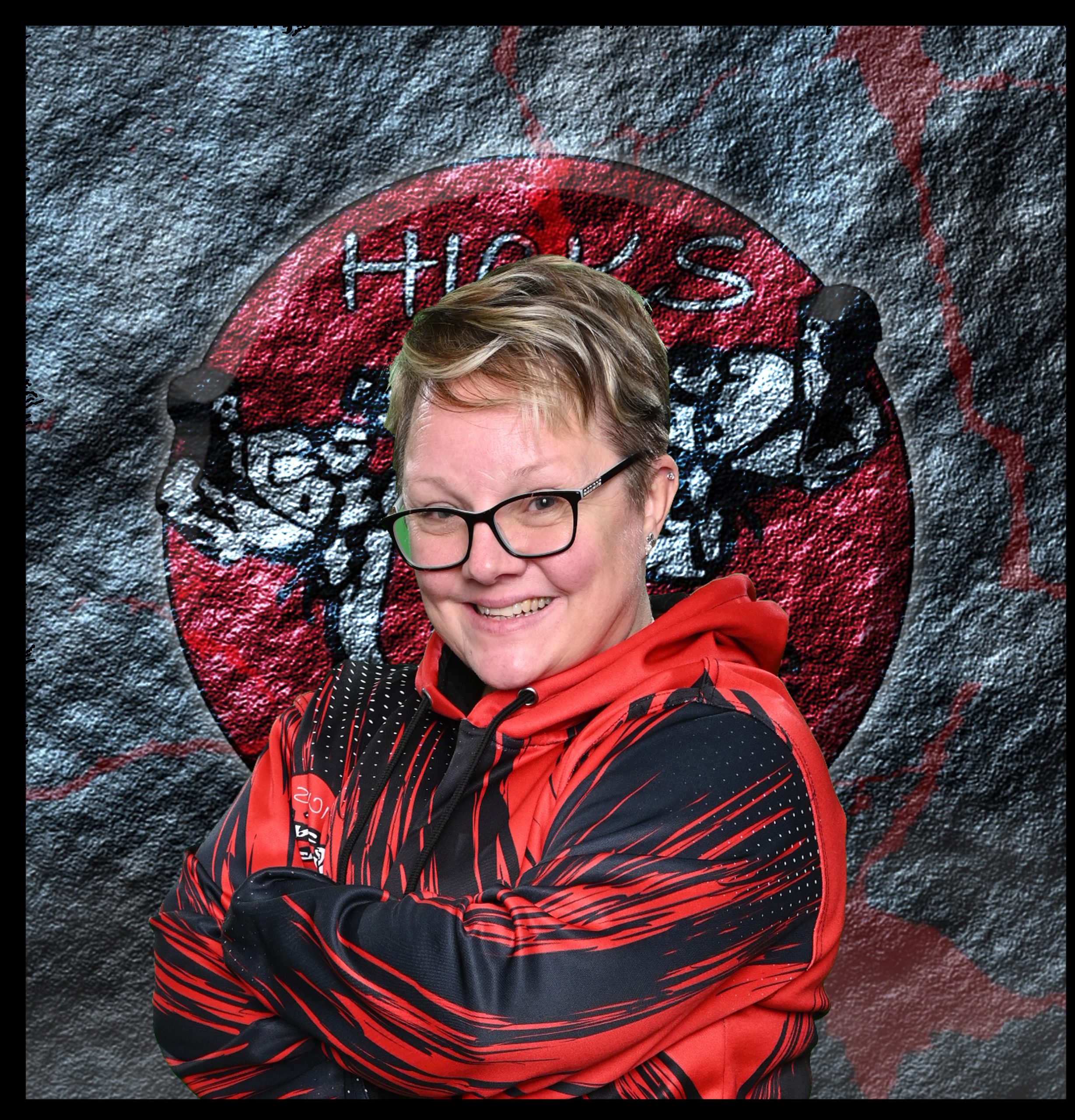
Miss Shanna Mozejko